How Much Do 3D-Printed Homes Cost in Texas?
How Much Do 3D-Printed Homes Cost in Texas?
How Much Do 3D-Printed Homes Cost in Texas?
For years, 3D-printed homes have been pitched with a simple promise: build faster, waste less, and make housing more affordable. A construction printer lays down a special material layer by layer, takes over part of the manual work, and can cut down on waste at the job site. On paper, it sounds like a breakthrough. The pricing is where things get more complicated.
One of the clearest examples is now taking shape in Texas. Icon is building several 3D-printed homes in Austin’s Mueller neighborhood, which makes how much are 3d printed homes in Texas a fair question rather than just a futuristic talking point. Some of the homes are part of an affordable housing program for buyers with limited income. That is what makes the project worth watching: 3D printing has been tied to cheaper housing for years, but affordable projects using the technology are still not common.
What These Texas 3D-Printed Homes Look Like
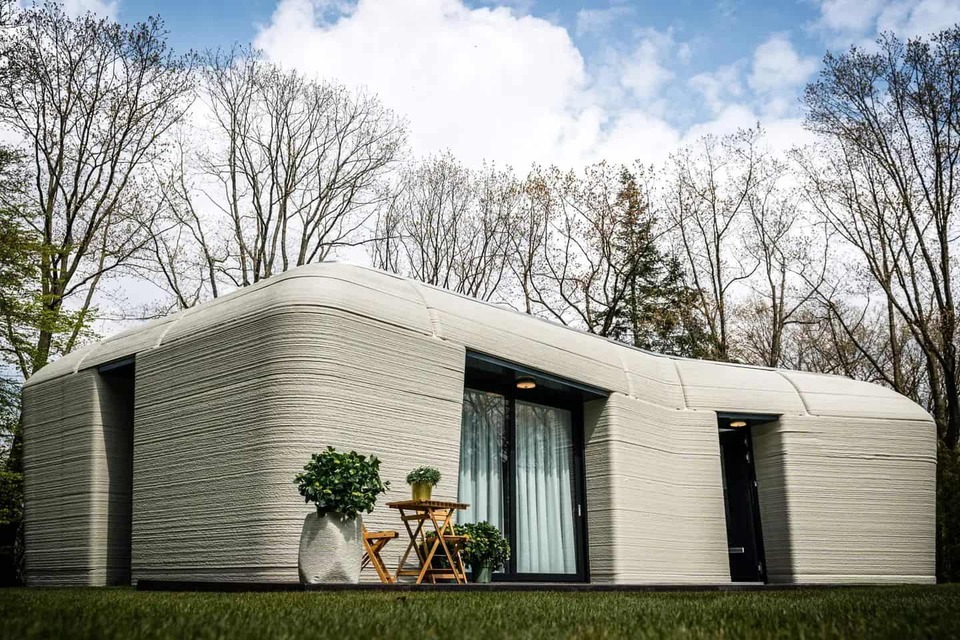
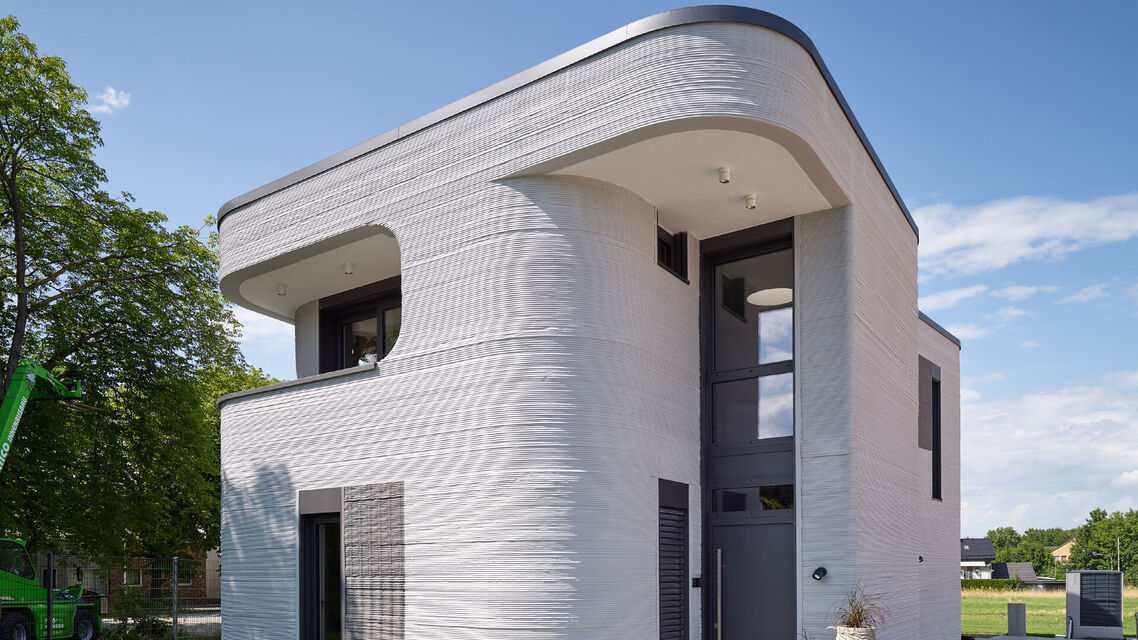
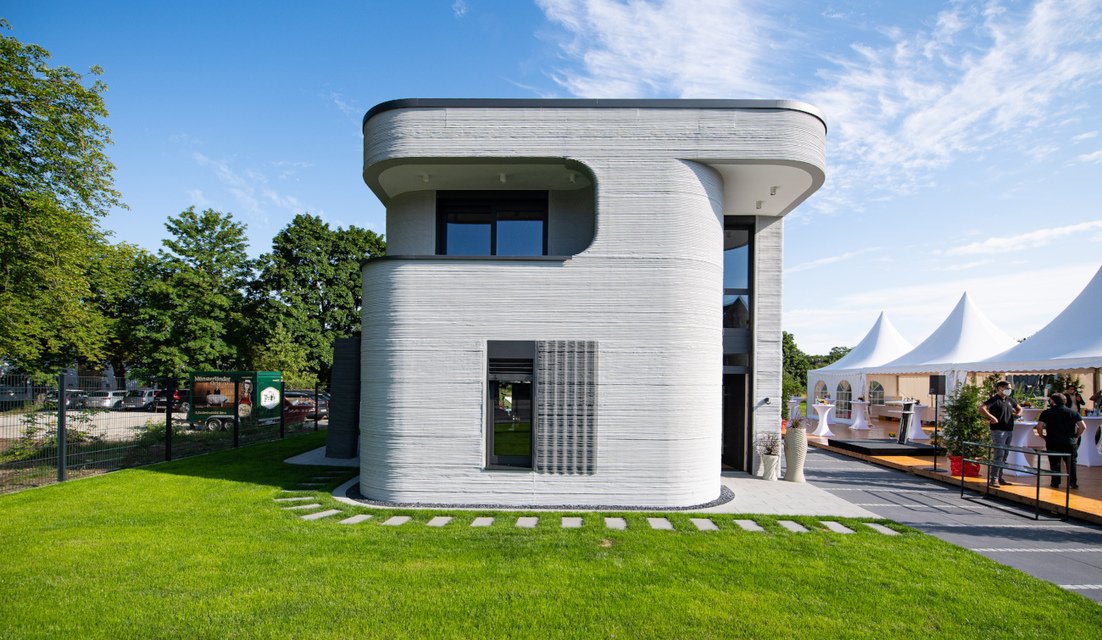
These homes are small by design. Each one is about 651 square feet, or roughly 60 square meters. The layout is split between two floors. Downstairs, there will be a living room, kitchen, and dining area in an open plan. Upstairs, there will be one bedroom and one bathroom. This is closer to a compact urban home than a large family house in a typical American suburb.
The homes are also not fully printed from top to bottom. The lower level is built with a construction 3D printer, which places a cement-like material in layers and forms the walls. The upper level is then built in a more traditional way with a timber frame. The roof, windows, doors, utility systems, and interior finishes are still done the old-fashioned way. So the printed part matters, but it does not replace the whole building process.
Why the Price Is Still Complicated
Prices for these Texas homes start at around $195,000. For a home of about 60 square meters, that is not exactly cheap. But within this specific project, the price is much lower than nearby 3D-printed homes. Other homes in the same area reportedly start at around $350,000 and can reach as much as $1.3 million. So the affordability is relative: cheaper than nearby options, but not cheap in the usual sense.
The harder question is whether buyers actually save money with 3D printing. Examples from other states show how uneven the answer can be. In California, a group of 3D-printed homes was built at around 1,000 square feet each, and one of those homes was listed for $375,000. At first glance, that may look lower than the local median home price. But at about $375 per square foot, the home was still more expensive than the local average on that basis.
Are 3D-Printed Homes Actually Affordable Yet?
This is where the math gets less exciting. A home may be built faster and may need fewer workers during certain stages, but the final price does not automatically drop. The equipment is expensive. The technology is still new. Contractors are still learning how to use it efficiently. There are also practical questions about maintenance, insurance, and resale value as these homes age. Right now, 3D-printed housing still looks more like a test case than a mass-market fix.
Texas may be one of the better places for the technology to develop. Its cities are growing, demand for new housing remains strong, and builders are under pressure to move projects faster. If 3D printing can make construction more predictable in both timing and quality, it could earn a real place in the market. The best fit may be projects with repeatable designs, durable materials, and a clear building process.
Still, it is too early to say that 3D-printed homes are solving the affordable housing problem. A starting price of about $195,000 for a small home in Austin is interesting, but it is not a revolution. It is more like a market test of whether the technology can work under normal market conditions. For readers following broader changes in future technology, projects like this show how innovation can move faster than affordability. For these homes to become widely affordable, companies will need to build at a larger scale, bring down equipment costs, simplify approvals, and prove that the homes hold up well over time.
3D-printed homes in Texas look promising, but the market is not mature yet. They show where homebuilding may be heading, but they also show how far the business side still has to go. The technology can already build real homes. The harder part is proving that those homes can make financial sense for everyday buyers.