Smart Lighting Ideas That Make a Home Feel More Comfortable
Smart Lighting Ideas That Make a Home Feel More Comfortable
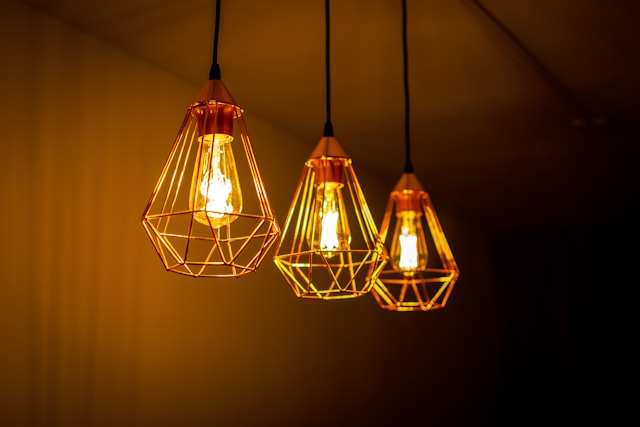
A practical guest post on smart lighting that weighs comfort, operations, and adoption decisions for U.S. homes and busy households.
Smart Lighting Ideas That Make a Home Feel More Comfortable
Most homes do not feel uncomfortable because of one big flaw. It is the small stuff: a room that is too bright after dinner, a hallway that stays dark until someone bumps into a wall, or a lamp that looks fine in the store and wrong everywhere else once the sun drops.
That is where smart lighting earns its keep. Not as a gadget parade, but as a practical fix for everyday friction. Used well, it makes a house easier to live in without creating more work or more confusion.
For households balancing work, kids, visitors, aging parents, or irregular schedules, lighting becomes part of daily rhythm. The right setup supports comfort, continuity, and trust in the home itself. The wrong one adds another app nobody wants to open.
Comfort is not a luxury when the house is in constant use
Smart lighting is often sold as convenience, but that undersells its value. In practice, lighting affects sleep, attention, safety, and how smoothly a home moves from one activity to another. It can reduce friction, or it can create it. In practice, this is where attention shifts toward smart home upgrades that can handle real usage without friction.
A well-planned lighting setup helps a home work like a system instead of a collection of disconnected rooms. That matters when there are competing demands: remote work in one corner, schoolwork in another, meals on a shift schedule, and enough evening calm to keep everyone comfortable.
There is also a practical side to it. Poor lighting choices increase risk in simple ways. A dark stair, a harsh glare near a kitchen counter, or a control system only one person understands can become real problems. Comfort and operational sense are the same issue from different angles.
Good lighting also affects how a home is perceived over time. Spaces that are easy to navigate feel more organized, even when life is busy. That matters for family routines and for anyone thinking about long-term usability or future adaptability.
What serious buyers should actually evaluate
Before buying into smart lighting, strip away the marketing and ask what will hold up under daily use. Three questions matter most: how it behaves, who can manage it, and what happens when something goes wrong.
The best systems should work across seasons, different schedules, and changing household needs without requiring constant tinkering.
Start with behavior, not features:
A light is not useful because it can be controlled from a phone. It is useful because it behaves predictably when people enter a room, leave it, wake up, or settle in for the night. That means looking at dimming quality, color temperature range, scene consistency, and response speed.
The best setups feel almost boring. The worst ones feel impressive for a week and annoying for a year.
It also helps to think about transitions rather than isolated moments. A home needs lighting that supports early mornings, midday focus, dinner cleanup, and late-night movement without each moment feeling like a different system. When lights shift smoothly, people notice less. That is the point.
Think about who has to live with it:
A home is not a demo room. If one person understands the controls and everyone else avoids them, the system is already failing. The practical test is simple: can a guest turn on the right light without asking questions? Can a child use it safely? Can an older adult understand the basics under normal conditions?
If the answer is no, the setup may be smarter on paper than in real life.
Simple design choices matter. Physical switches, clear labels, and consistent behavior often beat complicated automation. It is also worth checking whether the household prefers shared routines or personal control. Forcing the wrong model creates friction fast.
- Keep primary controls obvious and physical where possible.
- Limit app dependence for everyday tasks.
- Choose routines that are easy to explain in one sentence.
Do not overlook the operational blind spot:
The most common blind spot is assuming the system will be maintained after installation. Batteries die. Network settings change. Firmware updates happen at the wrong moment. A few smart bulbs in the wrong places can create quiet maintenance churn that feels minor until it starts interfering with work, rest, or household trust.
That is why continuity matters. If a lighting plan only works when everything is perfect, it is not a plan. It is a liability with nicer packaging.
Another mistake is overextending automation into spaces that do not need it. Not every room benefits from complex scenes or motion rules. In some areas, a well-placed dimmer and a dependable switch will outperform a more ambitious setup simply because it is easier to live with.
A cleaner way to plan the upgrade
The easiest mistake is trying to automate everything at once. Better results come from choosing a few high-friction areas first and testing them against real use, not wishful thinking.
Start by treating the home like a workflow. Where do people enter, pause, prepare, relax, and move at night? Those are the places where lighting can remove repeated annoyances and make the entire space feel calmer. This is often when decision-makers narrow things down to home comfort starts with better routines that hold up under pressure.
- Map the pain points room by room. Look for places where lighting causes friction: entryways, stairs, kitchens, bedrooms, home offices, and exterior paths.
- Choose functions before products. Decide whether you need dimming, scheduled scenes, motion response, warm evening light, or outside visibility, then compare options by reliability and ease of use.
- Test for the least technical person in the house. If that person can use the system without a tutorial, you are close. If not, simplify before you expand.
- Add changes in phases rather than all at once. Start with the most troublesome room, live with it for a few weeks, and only then move to the next area.
- Plan for manual fallback. Every important light should still be usable if the network is down, the app fails, or someone just wants the fastest option available.
The best lighting plans are boring in the right way
Good smart lighting does not call attention to itself. It reduces the number of decisions people have to make when they are already busy. That is the real gain: less switching, less strain, less guesswork at the end of the day.
There is a trade-off, though. More automation can mean more dependency on setup discipline. If the household changes fast, the network is messy, or the installation is rushed, the comfort promise can collapse into frustration. The goal is not maximum intelligence. The goal is dependable ease.
Seen through a business lens, this is a systems question. The best technology is the one that lowers support needs, not the one that creates a new category of chores. In a home, that means fewer complaints, fewer repeated fixes, and fewer moments where someone has to stop and explain how the lights work.
It also helps to think about adaptability. Families change, work patterns shift, and rooms often serve new purposes over time. A good lighting plan should support that evolution without a full restart.
Comfort should feel automatic, not fragile
Smart lighting makes sense when it supports daily life without adding complexity. That is the standard worth using: real comfort, not novelty.
For U.S. households comparing options, the strongest choices are usually the ones that respect routines, reduce mistakes, and still work when attention is elsewhere. If the system improves sleep, safety, and ease of movement while staying easy to manage, it has done its job.